
Cottage Year Almanac

First Quarter Moon
October 18 · First Quarter Moon
Plant · Prepare · Begin
There is a funny kind of optimism to October gardening. We are watching most of the garden finish for the year while putting garlic and bulbs into the ground for a spring we can't see yet. This part of October is about doing a few things now that your future self will be very glad you did.
Garden
Plant garlic and spring-flowering bulbs. Tuck in crocus, daffodils, tulips, or whatever you'd love to find coming up after winter. Think about early spring flowers for pollinators, too. You don't need to redo the garden—just plant something for next year.
Hearth
Set up the house for the way you'll actually live in it over the next few months. Put a basket of blankets near the couch, move a lamp to the chair where you read, find the slippers, bring the tea things somewhere easy to reach. This is hygge at its most useful: making everyday life at home a little warmer and more comfortable.
Kitchen
Make something with apples while they're abundant. Try one savory recipe and one sweet one this month. While you're cooking, pay attention to what you might actually want to make again next October. A tradition has to start somewhere.
Apothecary
Make your Heart's Ease Elixir with hawthorn, linden, motherwort and rose, or choose another preparation you know you'll want through the colder months. This is also a good time to check bottles, jars, honey and alcohol so you're not halfway through making something in January when you realize you're out of supplies.
Self
Think ahead to the holiday season before you're actually in the middle of it. Is there something you already know you don't want to repeat this year? Something you'd like to make simpler? Something new you'd genuinely enjoy? Decide now, before habit and obligation start making those decisions for you.
Invitation
Do one small thing this week that won't pay off immediately. Plant the bulb. Start the medicine. Begin the tradition. Leave something good waiting for your future self.
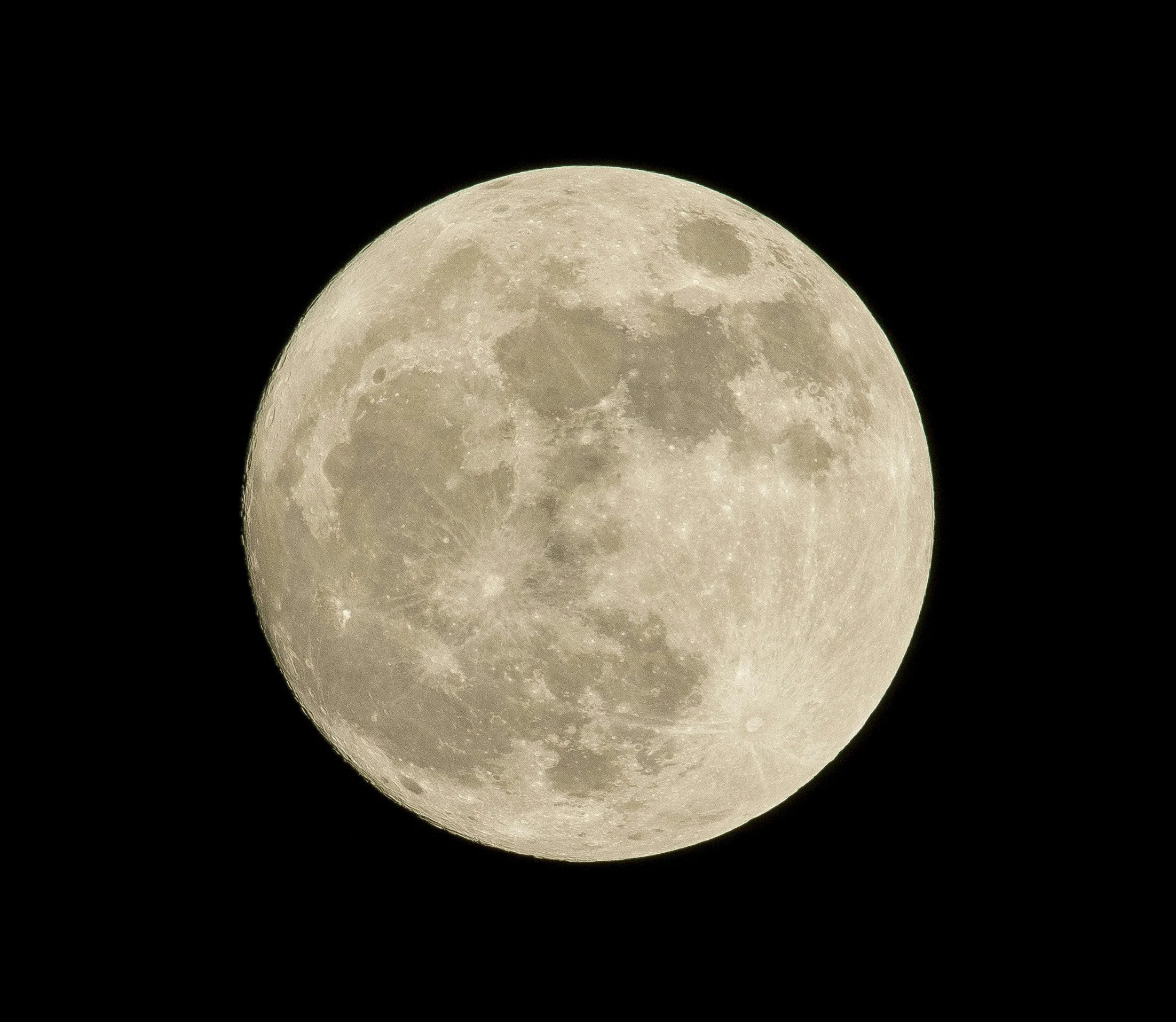
Full Moon
October 26 · Full Moon
Gather · Share · Carry Forward
By the end of October, we're moving toward the season of gatherings, holidays, and traditions. Before November gets busy, this is a good time to think about how traditions actually survive. Usually it isn't because someone carefully decided to preserve them. It's because somebody kept making the recipe, growing the plant, telling the story, or inviting everyone over. We keep traditions alive by actually living them.
Garden
Gather something from the garden to share. Save seeds from a favorite plant, divide a perennial, collect a few bulbs, or take cuttings where appropriate. Label them with the plant's name and anything you know about its story. Passing along a plant is one of the simplest ways a garden can outlive the person who planted it.
Hearth
Invite someone in. It doesn't need to be a dinner party or anything elaborate. Make tea, put something on the table, light a candle, and spend some time together. The traditions we remember most aren't always the fancy ones. They're often the things that happened often enough that they simply became part of home.
Kitchen
Make something worth sharing. Better yet, make something with someone else. Teach your kid how you make the apple cake. Ask your mom how she makes that one thing you've never quite been able to replicate. Write the recipe down. This is how kitchen traditions actually get passed along.
Apothecary
Share some herbal knowledge. Show someone how to make a simple tea blend, give away a little of something you've made, or tell someone about a plant you've come to love. Herbal knowledge has always moved between people, and it doesn't need to be complicated to be useful.
Self
Think about what you are passing forward. We spend a lot of time talking about what we've inherited from our ancestors, but someday we will be the ancestors. We get a say in what our descendants inherit from us—not only recipes and traditions, but the way we cared for people, the land, our homes, and one another.
Invitation
Pass something along this week: a recipe, a plant, a story, a skill, or a tradition you'd like someone else to remember.
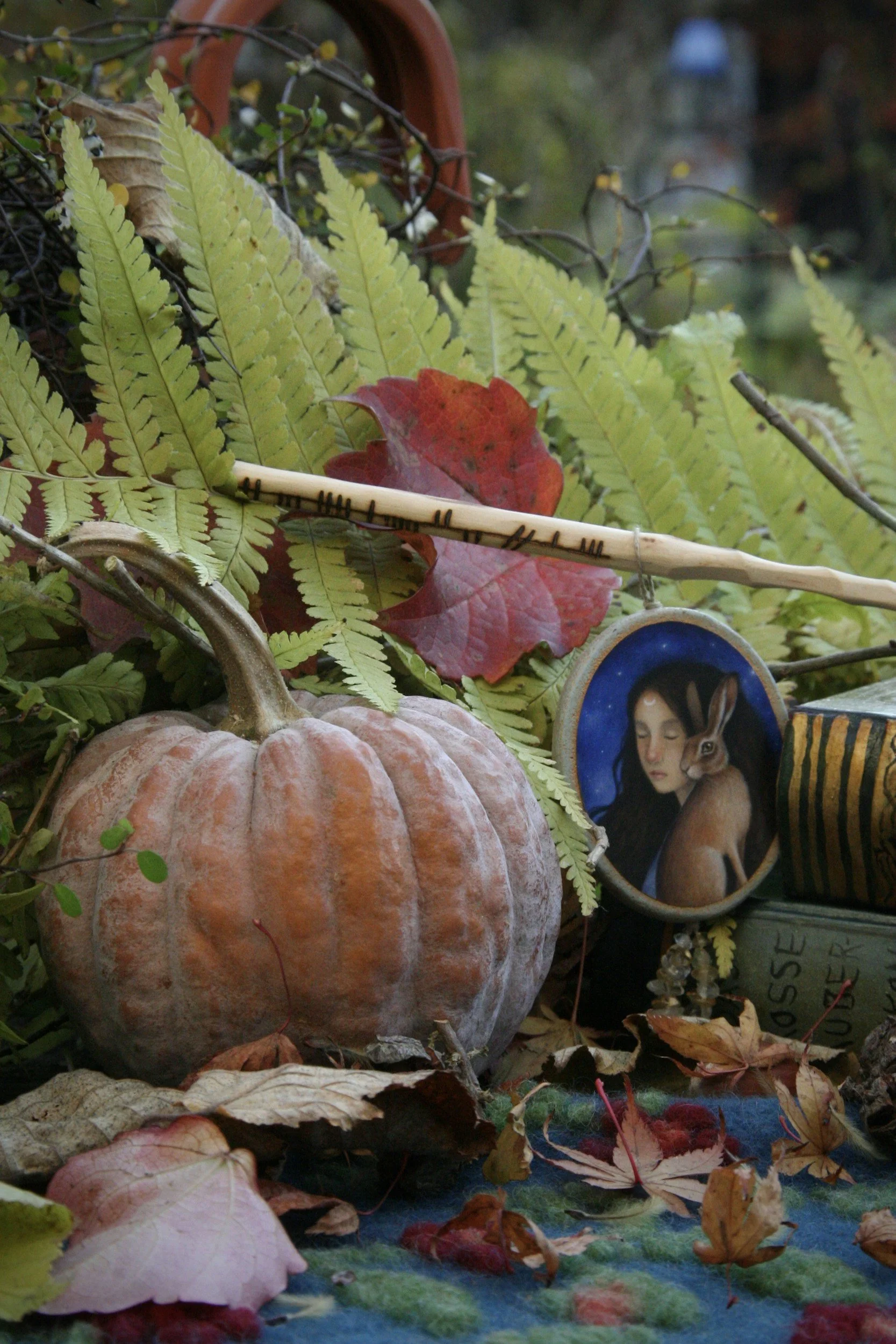
Samhain
October 31 · Samhain
Samhain comes at the very end of October, when the harvest is largely finished and winter is ahead. In the old Irish calendar, Samhain marked the beginning of winter, and Irish folklore surrounding the season is full of feasting, gatherings, divination, stories of the otherworld, and the dead. Some of the customs we associate with Halloween have roots in these later Irish traditions, although Samhain itself shouldn't be reduced to simply an ancient version of modern Halloween.
You don't need to recreate an Irish tradition that isn't yours in order to notice the same seasonal threshold where you live. Instead, let Samhain remind us that people have been marking the end of harvest and the approach of winter for a very long time.
Garden
Take one last walk through the garden before November. Gather anything that truly needs to come in, but leave plenty behind for birds, insects, and winter habitat. Then let the garden rest. There will always be one more thing you could do out there.
Hearth
Bring photographs or objects connected to people you love into the room tonight. Tell their stories. Say their names. Cook with your grandmother's bowl or put your grandfather's old tool somewhere you can see it. Remembrance doesn't need to be elaborate to matter.
Kitchen
Make a meal from the late harvest and share it if you can. Apples are especially appropriate here: apple games and customs appear throughout recorded Irish Halloween folklore. Bake them, stew them, make a cake, or simply put a bowl on the table.
Apothecary
Make something warm for the evening rather than adding another project to your list. Brew an herbal tea from plants you've grown or worked with this year. If you've made Heart's Ease, check on it. Spend a little time with the plants that have taken care of you before the growing year closes.
Self
Remember your ancestors as whole people rather than idealized ones. You can love someone without agreeing with everything they believed. You can be grateful for what was handed down while deciding that something ends with you. And you can begin something entirely new that may someday become part of someone else's inheritance.
Invitation
Set an extra place at the table, light a candle, pull out an old photograph, tell a story, or simply speak someone's name. Then ask yourself one question before October ends: What do I want to carry forward?

New Moon
October 10 · New Moon
Remember · Question · Choose
October's dark moon feels like a good time to spend a little time with the people and traditions that came before us. Not necessarily to recreate what they did or romanticize the past, but to get curious about it. So much of what we do in our homes is inherited without us ever really deciding whether we want to keep doing it. This month, we're going to look a little closer.
Garden
Think about the plants that have a story in your family. Maybe your grandmother always grew peonies, your dad planted tomatoes every year, or there was a lilac outside your childhood home. Write down what you remember. If you don't have a family gardening tradition, this might be a good year to start one of your own.
Hearth
Choose one object in your home that came from someone else. A piece of furniture, an old kitchen tool, a photograph, a dish, a quilt—anything with a history. What do you actually know about it? Ask someone if you can. Write the story down somewhere so it doesn't disappear.
Kitchen
Find a recipe connected to your family and make it. It doesn't need to be an old handwritten recipe passed down for six generations. Maybe it's the casserole your mom made from the back of a box or the cookies your family always bought at Christmas. Food traditions don't have to be impressive to be worth remembering.
Apothecary
Choose an herb connected to memory and make your herbal moon water. Rosemary (Salvia rosmarinus) has a long history of association with remembrance, but you don't have to use rosemary. Choose a plant that reminds you of someone, grew in your garden this year, or has become meaningful in your own herbal practice.
Self
Ask yourself which traditions you actually want to keep. We aren't required to continue something simply because our families did it, and honoring our ancestors doesn't mean agreeing with everything they believed or the choices they made. We can appreciate what was good, acknowledge what wasn't, and decide what gets carried into our own homes.
Invitation
Ask someone in your family a question you've never thought to ask before. Write down the answer. Someday, you may be very glad you did.
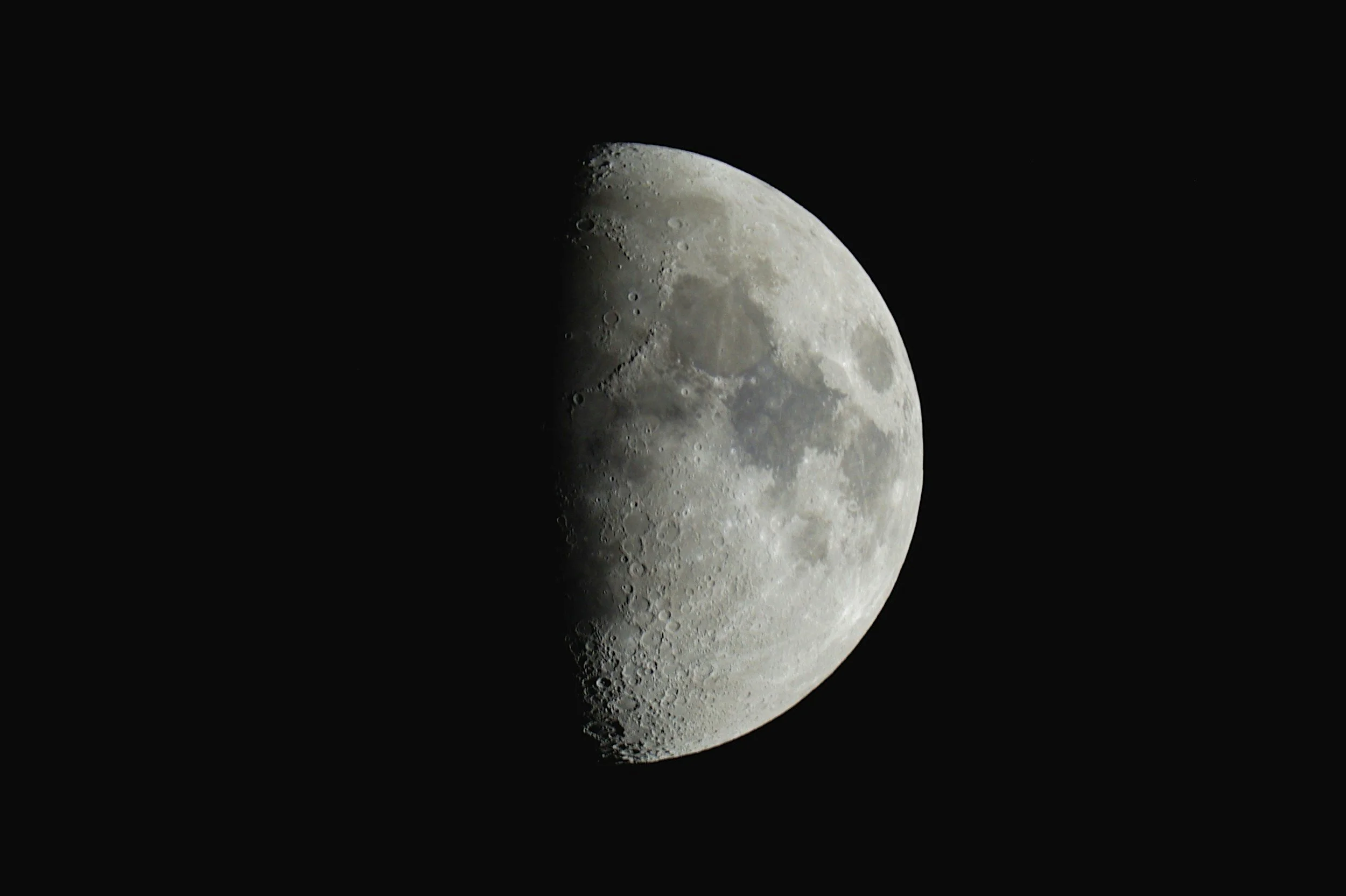
Last Quarter Moon
October 3 · Last Quarter Moon
Take Stock · Notice · Learn
By October, the garden has mostly told us how the year went. Some things grew beautifully, some absolutely did not, and there are probably a few things you planted with great enthusiasm in May that you barely used at all. Before we rush into cleaning everything up and planning next year, this is a good time to take stock. What actually served you this year?
Garden
Walk through the garden before you start pulling things out. What grew well? What struggled? What did you wish you'd planted more of? Take a few notes now while you still remember. Leave healthy stems, seed heads and leaf litter where you can for winter habitat, and remove diseased plant material rather than composting it.
Hearth
Look around at what made your home work well this summer and what didn't. Maybe the entryway became a dumping ground, the pantry system fell apart, or one little corner became everyone's favorite place to sit. You don't need to reorganize the entire house. Pay attention to how you're actually using it before the colder months bring everyone indoors more often.
Kitchen
Take inventory of what you grew, preserved and bought this year. Which jars are already disappearing from the pantry? Which things are you probably going to be staring at next June? This is useful information. Preserving food because we actually eat it is very different from preserving food because we feel like people who live seasonally are supposed to.
Apothecary
Do the same thing with your herbs. What did you reach for again and again? What is still sitting untouched? Which plants would you like to grow more of next year, and which ones don't need nearly as much garden space as you gave them? Check your dried herbs while you're there and compost anything that didn't store well.
Self
We can take stock of ourselves without turning it into a list of things we need to improve. What worked this year? What made life easier? What did you enjoy enough that you want more of it? And what have you been doing mostly because you thought you were supposed to?
Invitation
Before you clean up, organize, replace or plan anything, write down three things from this past season that you want to remember next year.
Full Moon
Gather. Receive. Share.
The garden may still be abundant even as autumn encroaches. The Full Moon becomes a moment to experience what has been produced.
Garden.
Harvest what is ripe, but also wander. Look at what flowered, fruited, seeded, failed, volunteered, led wildlife, or surprised you. Record what you want to remember next year.
Hearth.
Enjoy the home you’ve been tending. Open the windows to allow cool fresh air waft in during the evening. Let your home become inhabited instead of being improved.
Kitchen.
Share your abundance. Whether it is a few extra tomatoes, a jar of jam, or a loaf of bread.
Apothecary.
What has this year provided for your medicine cabinet? Organize your preparations and finalize your journal. Share what you feel called to give.
Self.
Go outside after dark and look at the Moon. Make a jar of moon water if you feel pulled to do so.
Autumn Equinox
The Harvest Table
Autumn equinox is a liminal space. A balance of light and dark; of day and night. It is the threshold to the dark half of the year.
Sometime around the equinox, invite your family, friends, or neighbors to share in an early autumn meal. Sharing the last harvests is a great way to commune together and recognize and honor the changing season.
If you can, set out a table outside. Otherwise, the kitchen table is perfect. Gather a bouquet of whatever is blooming - goldenrod and asters, or even dried grasses! Light some candles and pull out any vintage dishes you have.
Ask everyone to bring something that represents the season to them - this could form the centerpiece.
Before eating, take a moment to recognize where the meal came from:
the soil rain and sun;
the people who grew and harvested the food;
the animals and insects who gave their lives or pollinated the plants;
the hands that prepared it.
Whether your gathering is two or twenty.
Around the Equinox.
Garden.
Gather something from the land or the garden for the table. Notice when the sun sets.
Hearth.
Set the table beautifully with what you already own. Light the first early evening candles of the season.
Kitchen.
Build the meal around the local September harvest versus an ‘equinox menu’.
Apothecary.
Create a signature botanical mocktail for the Equinox using easy to gather herbs that just read 'Autumn’.
Self.
Step outside at dusk. Notice the temperature, birdsong, insect activity, any scents, and the light. What does this first moment of autumn look and feel like?
First Quarter Moon
Tend. Work. Strengthen.
The Moon is waxing and September’s energy is full embraced. This is not the time to start more but to tend what is already underway.
Garden.
Tend to what is still producing. Nurture any fall gardens that you’ve begun. Prepare for cooler nights and make sure you are still leaving fall habitats when you can.
Hearth.
Begin to embrace cozy. Pull out the candles, cinnamon - make a simmer pot, start decorating with dried flowers, bring nature indoors as much as possible. Finish up your summer projects and repair anything broken.
Kitchen.
Make sauces to freeze, ferment veggies, dry the last herbs, bake bread, and prepare stocks for winter. Stock your pantry as you can with what you will use in the winter.
Apothecary.
Blend herbal teas. Make elderberry syrups. Prepare nutritive and nourishing remedies to ward your family against ‘flu season’. Journal in your herbal notebook and continue your studies.
Self.
What feeds your soul? Do that. Pick up a craft that you have been putting off. Get your body moving. Make something. Do something. If weather permits, spend some time in or near a body of water. Journal - what do you want to bring with you into hibernation?
New Moon
Rest. Observe. Choose.
The lunar cycle begins in darkness. We use this time to take pause a reflect on where we are and spend our time in the present.
Garden.
Walk the garden without a task list. Notice the last ripening fruit, seed heads and insect activity. Perhaps journal this time so next year you can properly determine what you should have prepared for. Without judgement of course. Every moment is a lesson.
Hearth.
How is your home functioning as summer gives way to autumn? What would make your days feel more in a rhythm. Don’t make any changes today - just make note.
Kitchen.
As the weather begins to change, so do our dietary wants and needs. Gone are the fresh salads of the summer as we may reach for warming soups and stews. Start to plan around the changing desires and availability at the market or in the garden.
Apothecary.
Choose an herb that you have been wanting to learn about. Take a walk about your property or neighborhood. Is there any wild medicine around? Do go into production mode just yet - at most, make a cup of herbal tea.
Self.
Rest. Read. Journal. Walk. Allow yourself to enter into this next cycle without immediately turning it into yet another project.
Last Quarter Moon
Last Quarter.
Clear. Weed. Prune.
The Moon is waning and September holds the beginning of transition. Gone are the long days of unbelievable warmth and sun. But we aren’t quite in coats and boats yet (most of us anyway). The last quarter offers a space to finish what summer began - gathering what remains and making room for the season ahead.
Garden.
Harvest generously and weed the beds before weeds can set to seed. Remove any diseased plant material and collect a seeds from plants you want to cultivate next year - be sure to note which seeds are great for birds to feast on over the coming months. And if you can, resist the urge to clean up. Leaving winter habitat is a big part of nurturing a healthy ecosystem.
Hearth.
Focus on the areas that have been neglected over the summer. Cleanse your entryways, begin to transition your linens from light summer sheets to thicker blankets and throws.
Kitchen.
Use what is already abundant. Take a good pantry inventory and clear out what you know you will not be using. Plan meals around what you already have and preserve any extra from your garden’s harvest.
Apothecary.
Check your drying herbs, clean jars and equipment, strain any tinctures and compost plant material that you will no longer use. If you have an herb garden, only harvest what you know you will use this year. What do you have that you can gift to your friends, family and community?
Self.
Finish up any outstanding obligations. Send that email you’ve been putting off. Clear your calendar of tasks that no longer serve you. We’re preparing for a season of restoration. Allow your future self to fully embrace hibernation season.