
Plant It Now
Garlic, spring bulbs, and a little faith in next year
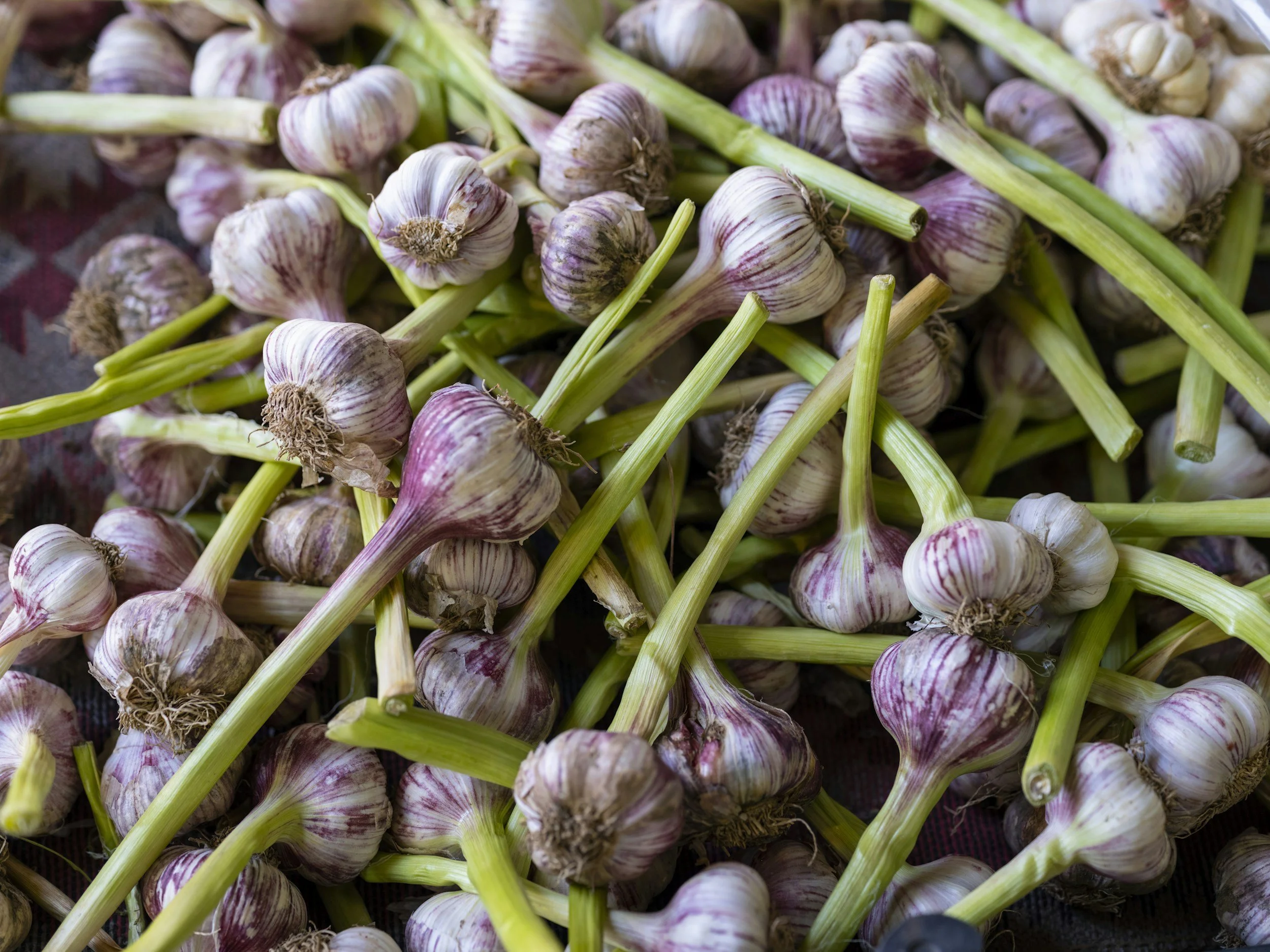
By October, I am usually pretty ready to be done with the garden. Things are brown, overgrown, half eaten, or some combination of all three. The enthusiasm I had in April for carefully tending every little corner has definitely worn off.
But there are still a few things worth doing before we put the garden to bed, and one of my favorites is planting things that won't show themselves until next year.
There is something really hopeful about October planting. We're putting things into cold soil knowing we won't see much happen for months. Garlic disappears underground. Bulbs sit quietly through winter. Then, just about the time we're desperate to see something green again, they start coming back.
Plant Your Garlic
If you've never grown garlic, start here. It doesn't require a huge garden, and once you get the timing down, it's surprisingly easy to grow.
Garlic (Allium sativum) is generally planted in autumn so it can establish roots before winter and then resume growth in spring. Here in Ohio, October is usually a good time to get it into the ground. You want it planted before the soil freezes solid, but not so early that it puts on a tremendous amount of top growth before winter.
Buy garlic intended for planting rather than grabbing a bulb from the grocery store. Seed garlic gives you known varieties and is less likely to have been treated to discourage sprouting. Hardneck varieties are particularly well suited to cold-winter climates, and they give us the added bonus of garlic scapes in early summer.
When you're ready to plant, gently separate the bulb into individual cloves. Leave the papery skins intact and plant each clove with the pointy end facing up, about 2–3 inches deep and roughly 6 inches apart. Give them a sunny spot with soil that drains reasonably well.
Once the weather turns consistently cold, add a layer of straw, shredded leaves, or another loose mulch. This helps moderate soil temperatures through winter and, as a bonus, gives you a head start on weed control next spring.
And then you're basically done with them for a while.
That's one reason I love garlic. October me does the work and summer me gets garlic.
Plant Some Spring Color, Too
This is also the time to plant many of the bulbs that give us those first ridiculous little bursts of color in spring.
Crocus (Crocus spp.), daffodils (Narcissus spp.), tulips (Tulipa spp.), grape hyacinth (Muscari spp.) and many other spring-flowering bulbs need a long period of cold before they'll bloom. That means if you want them in March, April and May, you have to think about them now.
Follow the planting depth on the package because bulbs vary quite a bit in size. A decent general rule is to plant a bulb about two to three times as deep as the bulb is tall, with the pointed end facing upward. If you can't figure out which end is up—and some bulbs make this unnecessarily difficult—plant it on its side. It will usually sort itself out.
You also don't need to line them up like little soldiers.
I like spring bulbs much better planted in loose groups or drifts. Dig a wider hole, scatter several bulbs through it with enough room between them, cover everything back up, and forget about them until spring.
Think About the Hungry Spring Garden
While you're choosing bulbs, think beyond what will look pretty from the kitchen window.
Early spring can be a lean time for bees and other insects coming out on warmer days. Adding early-flowering plants can help provide pollen and nectar when relatively little else is blooming.
Crocus can be useful here, but this is also a good excuse to look beyond the standard garden-center bulb display. Native spring ephemerals and early-blooming native perennials, shrubs, and trees can be even more valuable additions to the larger garden.
This doesn't mean you have to rip out every tulip because it isn't native. I don't garden that way. Grow things you love, and then keep making room for plants that belong to your local ecology, too.
October is actually a wonderful time to look around and notice what's missing. Where could another shrub go? Is there an empty stretch beneath a deciduous tree? Where does the snow melt first? Where did you wish you had more flowers last March?
Write it down now. By February, I promise you will have forgotten.
Don't Clean Everything Up
While you're out there planting, resist the urge to make the whole garden perfectly tidy before winter.
Some of those hollow stems, seed heads and fallen leaves are habitat. Insects overwinter in and around garden debris, birds continue eating seeds, and leaves return organic matter to the soil. You can absolutely clear diseased plant material, clean up the vegetable garden where it makes sense, and keep paths and areas around the house manageable without stripping every bed bare.
I usually aim for tended, not spotless.
Move leaves off places where they genuinely cause problems and tuck some into garden beds instead. Leave seed heads where you can. Let stems stand. Make a brush pile if you have room for one. The autumn garden isn't dead—it is just doing things that aren't nearly as showy as what it was doing in June.
One Last Thing Before You Go Inside
Plant something you're going to forget about.
Seriously.
Tuck a handful of crocuses somewhere you'll walk past in early spring. Put daffodils near the mailbox. Plant garlic at the end of the vegetable bed. Make a note in your garden journal if you must, but otherwise let it go.
Winter will happen in between.
And then one cold day when you are completely over gray skies and muddy boots, you'll walk outside and find something you planted in October poking through the soil.
Past you left you a present.
